Imagine walking into a dark house after a long day and wishing you could just say “Hey Google, turn on the living room lights.” That convenience is now within reach for many thanks to smart home technology. Specifically, integrating google smart plugs for Google Home can transform your existing lamps, fans, and other appliances into voice-controlled devices. This post will guide you through everything you need to know to make your home smarter and more efficient, so you can spend less time fiddling with switches and more time enjoying your space.
Key Takeaways
- You will learn how to easily connect smart plugs to your Google Home system.
- Discover the benefits of using smart plugs for energy saving and convenience.
- Understand different types of smart plugs and their features.
- Get practical tips for setting up and troubleshooting your devices.
- See how smart plugs can enhance your daily routines and home security.
What Are Google Smart Plugs For Google Home
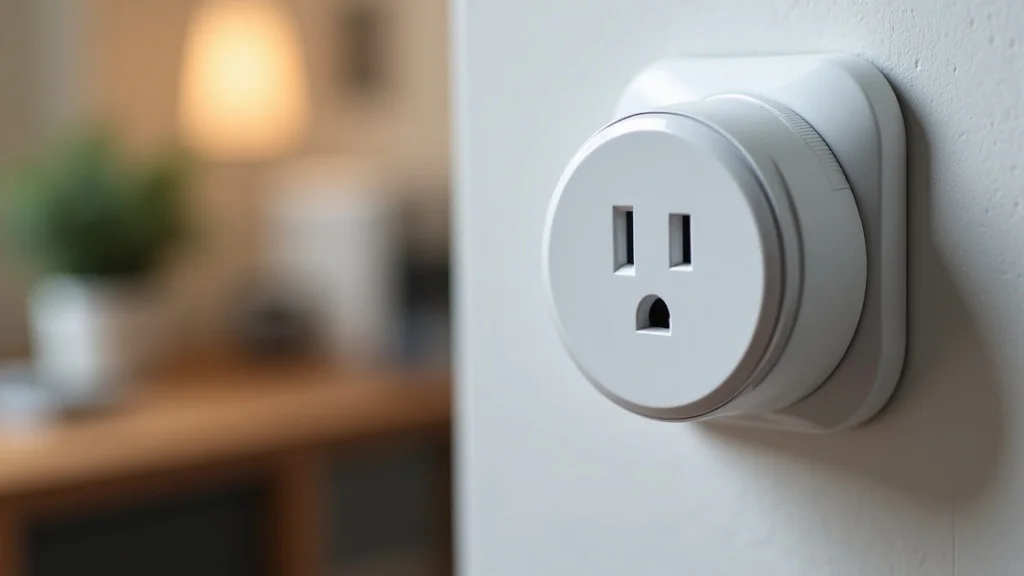
Smart plugs are devices that plug into a standard wall outlet, allowing you to control whatever is plugged into them remotely. When paired with a smart home assistant like Google Home, these plugs become voice-activated. This means you can turn appliances on or off simply by speaking a command to your Google Assistant.
For example, you can ask your Google Home device to “turn on the coffee maker” or “turn off the fan” without leaving your seat.
The primary appeal of google smart plugs for Google Home is the seamless integration they offer. You don’t need to buy all new smart appliances; you can make your existing ones smart. This cost-effective solution provides a high level of convenience and control over your home environment.
They are a gateway to automating everyday tasks and creating a more responsive living space.
How Smart Plugs Work With Google Home
Smart plugs typically connect to your home’s Wi-Fi network. This connection allows them to communicate with your Google Home device or the Google Home app on your smartphone. When you issue a voice command, Google Assistant processes the request and sends a signal through your Wi-Fi to the smart plug.
The plug then executes the command, turning the connected appliance on or off.
The setup process usually involves downloading the manufacturer’s app for the smart plug. Within this app, you’ll connect the plug to your Wi-Fi. Then, you link the manufacturer’s account to your Google Home account.
Once linked, the smart plug will appear in your Google Home app, ready to be controlled by voice or through routines you create.
- Wi-Fi Connectivity: Smart plugs rely on your home’s Wi-Fi network to send and receive commands. A stable Wi-Fi connection is essential for reliable operation.
- Manufacturer App Integration: Most smart plugs require a dedicated app for initial setup and to manage advanced features.
- Google Home Linking: Connecting the smart plug’s account to Google Home allows for voice control and inclusion in smart home routines.
- Voice Commands: Once linked, you can use phrases like “Hey Google, turn on the lamp” to control the plugged-in device.
Benefits Of Using Google Smart Plugs
The advantages of using google smart plugs for Google Home are numerous, impacting convenience, energy efficiency, and even home security. They offer a simple yet powerful way to upgrade your living space without a complete overhaul of your appliances. The ability to control devices remotely or with your voice adds a layer of modern living that is both practical and enjoyable.
One of the most significant benefits is the enhanced convenience. Imagine being able to turn on your Christmas lights from your bed or turn off a forgotten appliance from work. This level of control simplifies daily tasks and provides peace of mind.
Furthermore, smart plugs can help you save money on your electricity bills.
- Convenience and Automation: Control devices from anywhere using your phone or voice. Create schedules for lights to turn on and off automatically.
- Energy Savings: Monitor energy usage of connected devices and shut off appliances that are drawing power unnecessarily. This can lead to lower electricity bills.
- Enhanced Security: Make it appear that someone is home by scheduling lights to turn on and off at set times, deterring potential intruders.
- Accessibility: Individuals with mobility issues can benefit greatly from voice-controlled appliances, making everyday tasks easier.
- Cost-Effectiveness: Smart plugs are generally affordable, offering a budget-friendly way to start building a smart home.
Energy Monitoring Features
Many modern smart plugs include energy monitoring capabilities. This feature allows you to track the power consumption of any device plugged into the smart plug. You can see in real-time how much electricity a particular appliance is using, both when it’s active and in standby mode.
This data can be invaluable for identifying energy vampires – devices that consume power even when turned off.
By understanding your energy usage, you can make informed decisions about which devices to power down or schedule. For instance, if you notice your old television draws significant power even when off, you can use the smart plug to ensure it’s completely disconnected from the power source when not in use. Over time, this can contribute to noticeable savings on your utility bills.
- Real-time Power Tracking: See how much electricity a device is consuming at any moment. This helps in understanding the power draw of different appliances.
- Historical Usage Data: Many apps provide charts and graphs showing energy usage over days, weeks, or months. This allows for trend analysis and identification of usage patterns.
- Identifying Energy Vampires: Discover devices that consume power even when not in use, allowing you to take steps to reduce phantom load.
- Setting Usage Limits or Alerts: Some advanced plugs allow you to set maximum power limits and receive alerts if a device exceeds them.
Case Study: Reducing Standby Power Consumption
The Smith family decided to test the energy-saving potential of smart plugs. They plugged their entertainment center, which included a TV, soundbar, and gaming console, into a smart plug with energy monitoring. They discovered that the entertainment center consumed around 50 watts even when everything was turned off, due to standby power.
Using the smart plug’s scheduling feature, they set it to turn off the entire entertainment center overnight and during times they were away from home. Within three months, they noticed a reduction of approximately 15% on their electricity bill, directly attributable to eliminating this phantom power draw. This practical application demonstrated the tangible financial benefits of smart plug technology.
Smart Plugs For Convenience And Routines
The convenience factor of google smart plugs for Google Home cannot be overstated. Setting up routines allows for automated actions based on specific triggers, such as time of day or voice commands. This can streamline your daily life in many ways.
For example, you can set a “Good Morning” routine that turns on your bedside lamp and starts your coffee maker simultaneously.
Conversely, a “Good Night” routine could turn off all lights in the house except for a hallway night light, and ensure that any appliances you forgot to switch off are powered down. This level of automation reduces mental load and adds a touch of effortless living to your home.
- Morning Wake-Up: Have your bedroom lights gently turn on at your desired wake-up time.
- Evening Wind-Down: Schedule living room lights to dim and turn off after a certain hour.
- Welcome Home: Set lights to turn on as you approach your house, making your arrival more welcoming.
- Appliance Control: Automatically turn on a fan on a hot day or turn off a slow cooker after a set cooking time.
Scenario: Simplifying Morning Chores
Sarah wakes up at 6:30 AM every weekday. She wants her coffee brewing and her bathroom light on by the time she walks into the bathroom. She uses her google smart plugs for Google Home and sets up a routine.
The routine is triggered by her alarm on her phone. At 6:30 AM, the smart plug connected to her coffee maker turns on, and another smart plug connected to her bathroom lamp switches on.
This simple automation means Sarah doesn’t have to rush to start the coffee or stumble in the dark. The smart plugs and Google Home work together seamlessly to make her morning smoother and more enjoyable. This reduces the number of manual tasks she needs to perform, freeing up mental space and time.
Choosing The Right Smart Plug
When looking for google smart plugs for Google Home, several factors are important. Consider the type of plug needed. There are single-outlet plugs and multi-outlet power strips with individually controllable sockets.
Think about the devices you want to control.
Compatibility is key. Ensure the smart plug works with Google Home. Most reputable brands will clearly state this on their packaging or product description.
Also, consider features like energy monitoring, surge protection, or whether the plug is rated for outdoor use if needed.
- Single Outlet vs. Multi-Outlet: Decide if you need to control one device per plug or multiple devices from a single power source.
- Wi-Fi Frequency Support: Most smart plugs work on 2.4GHz Wi-Fi networks. Ensure your router supports this.
- App Features: Look for user-friendly apps that offer scheduling, timers, and energy monitoring if those are important to you.
- Durability and Safety Certifications: Check for certifications like UL or ETL to ensure the plug meets safety standards.
- Voice Assistant Compatibility: Explicitly confirm that the smart plug is designed to work with Google Assistant.
Comparison Of Smart Plug Types
| Type | Description | Best For |
|---|---|---|
| Single Outlet Plug | A compact plug that fits into a single wall socket. | Controlling one appliance, like a lamp or fan. |
| Multi-Outlet Power Strip | A power strip with multiple outlets, each controllable independently. | Managing several devices in one location, such as a home office or entertainment center. |
| Outdoor Smart Plug | Weather-resistant plugs designed for use in outdoor environments. | Controlling outdoor lights, water pumps, or holiday decorations. |
Setting Up Your Smart Plugs
The setup process for google smart plugs for Google Home is generally straightforward. You’ll typically need your Wi-Fi network name and password handy. First, plug the smart plug into a wall outlet.
Then, download the manufacturer’s app from your smartphone’s app store.
Follow the in-app instructions to connect the smart plug to your Wi-Fi network. This usually involves putting the plug into pairing mode. Once connected to Wi-Fi, you’ll be prompted to create or log in to an account with the plug’s manufacturer.
This account links your plug to their service.
Finally, open your Google Home app and look for the option to add a new device. You’ll then link your manufacturer’s account to your Google Home account. After this, your smart plug should appear in the Google Home app, ready for voice commands and inclusion in routines.
- Download Manufacturer App: Install the app specific to your smart plug’s brand.
- Connect to Wi-Fi: Follow app prompts to pair the plug with your home’s wireless network.
- Create/Log In to Account: Register or sign in to the manufacturer’s service.
- Link to Google Home: In the Google Home app, add the device and link the manufacturer’s account.
- Assign a Name and Room: Give your smart plug a clear name (e.g., “Living Room Lamp”) and assign it to a room for easier control.
Troubleshooting Common Issues
Sometimes, smart plugs can be a bit finicky. The most common problem is a loss of connection to the Wi-Fi network. This can happen if your Wi-Fi password changes, your router is rebooted, or the plug is too far from the router.
If a smart plug isn’t responding, the first step is often to check your Wi-Fi. Is your internet working? Is the plug showing as offline in the app?
You might need to reset the plug by holding down a button on the device itself, then re-connecting it to your Wi-Fi through the manufacturer’s app.
- Wi-Fi Connection Problems: Ensure your Wi-Fi is stable and the plug is within range of your router. Try restarting your router and the smart plug.
- Unresponsive Device: If a voice command doesn’t work, check the Google Home app to see if the plug is online. Sometimes, simply removing and re-adding the device in the Google Home app can fix issues.
- App Not Syncing: Make sure both the manufacturer’s app and the Google Home app are updated to their latest versions.
- Incorrect Device Name: If Google Assistant misunderstands your command, try renaming the device in the Google Home app to something clearer.
- Power Outages: After a power outage, smart plugs should ideally reconnect automatically. If not, you may need to re-establish the Wi-Fi connection.
Optimizing Wi-Fi for Smart Devices
To ensure your google smart plugs for Google Home and other smart devices function smoothly, optimizing your Wi-Fi is crucial. Smart devices, especially those that constantly communicate, can tax your network. Older routers or those with limited range can struggle to support many connected devices.
Consider upgrading to a dual-band router that supports both 2.4GHz and 5GHz networks. Most smart plugs use the 2.4GHz band, which offers better range but slower speeds. For a large number of devices, a mesh Wi-Fi system can provide more consistent coverage throughout your home.
Keeping your router firmware updated also helps maintain optimal performance and security.
- Router Placement: Position your Wi-Fi router in a central location, away from obstructions like thick walls or large appliances that can interfere with the signal.
- Network Channel Optimization: If your router allows, you can sometimes change the Wi-Fi channel to reduce interference from neighboring networks.
- Bandwidth Management: Ensure your internet plan has enough bandwidth for all your connected devices, especially if you stream a lot of video or game online.
- Use of Wi-Fi Extenders or Mesh Systems: For larger homes or areas with weak signals, consider Wi-Fi extenders or a mesh network to improve coverage.
Common Myths Debunked
Myth 1: Smart Plugs Are Difficult To Set Up
Many people believe that setting up smart home devices is a complicated technical process. However, manufacturers have greatly simplified the installation of google smart plugs for Google Home. Most setups now involve downloading an app, connecting to Wi-Fi, and linking accounts, which can often be completed in under 10 minutes.
Myth 2: Smart Plugs Are Only For Lighting
While lights are a popular application, smart plugs can control almost any appliance that plugs into a standard outlet. This includes fans, coffee makers, kettles, air purifiers, holiday decorations, and even older non-smart televisions or speakers, turning them into controllable devices.
Myth 3: You Need A Smart Hub For Smart Plugs
While some smart home ecosystems use a central hub, many modern google smart plugs for Google Home connect directly to your home’s Wi-Fi network. This means you don’t need an additional hub, just a stable Wi-Fi connection and a compatible smart speaker or your smartphone.
Myth 4: Smart Plugs Are A Security Risk
Reputable smart plugs from known brands undergo rigorous security testing. Like any internet-connected device, it’s important to use strong, unique passwords for your Wi-Fi and manufacturer accounts, and to keep firmware updated. This significantly mitigates security risks.
Myth 5: Smart Plugs Consume A Lot Of Power Themselves
The amount of energy consumed by a smart plug itself is minimal, usually less than one watt. This is a tiny fraction compared to the energy savings they can help achieve by controlling other appliances and reducing standby power consumption.
Frequently Asked Questions
Question: Can I control my smart plugs when I’m not at home?
Answer: Yes, as long as both your smartphone and the smart plug are connected to the internet, you can control them remotely through the manufacturer’s app or the Google Home app.
Question: Do smart plugs work with Alexa and other voice assistants?
Answer: Many smart plugs are designed to work with multiple voice assistants, including Amazon Alexa and Apple HomeKit, in addition to Google Home. Always check the product specifications.
Question: What is the maximum wattage a smart plug can handle?
Answer: This varies by model. Standard smart plugs typically handle up to 10-15 amps, which is sufficient for most household appliances. High-power devices like space heaters or large appliances may require specialized, higher-rated smart plugs.
Question: How do I reset a smart plug if it’s not working?
Answer: Most smart plugs have a small reset button. You usually need to press and hold this button for about 5-10 seconds until an indicator light flashes, signaling it’s reset and ready for re-pairing.
Question: Can I group multiple smart plugs together in Google Home?
Answer: Yes, you can create “Groups” or “Rooms” within the Google Home app to control multiple smart plugs simultaneously with a single command.
Conclusion
Integrating google smart plugs for Google Home is a simple yet powerful way to enhance your living space. They offer unparalleled convenience, significant energy savings, and improved home security. By following setup guides and understanding basic troubleshooting, you can easily bring the benefits of a smarter home into your daily life.
Start with one or two plugs and see how they transform your routine.