Imagine coming home after a long day and realizing you left the living room lamp on, or perhaps you’re already tucked into bed and wonder if you turned off the coffee maker. These little anxieties can now be a thing of the past thanks to smart home technology. Specifically, smart home plugs offer a simple yet powerful way to control your electronics remotely. This post will guide you through everything you need to know about them, from how they work to the many benefits they bring, helping you save energy and add convenience to your daily routine.
Key Takeaways
- Smart home plugs connect your regular devices to your Wi-Fi network.
- You can control plugged-in devices using a smartphone app or voice commands.
- These plugs help you save energy by scheduling device usage and monitoring power consumption.
- They enhance home security by making it appear as though someone is home.
- Setting up smart home plugs is generally straightforward and user-friendly.
- Many smart home plugs are compatible with popular smart assistants like Alexa and Google Assistant.
What Are Smart Home Plugs
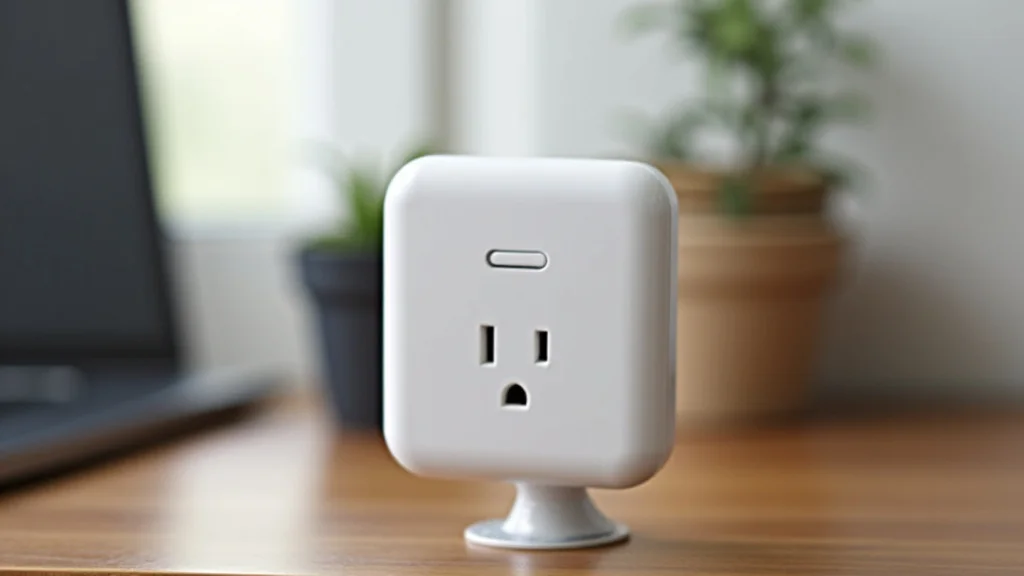
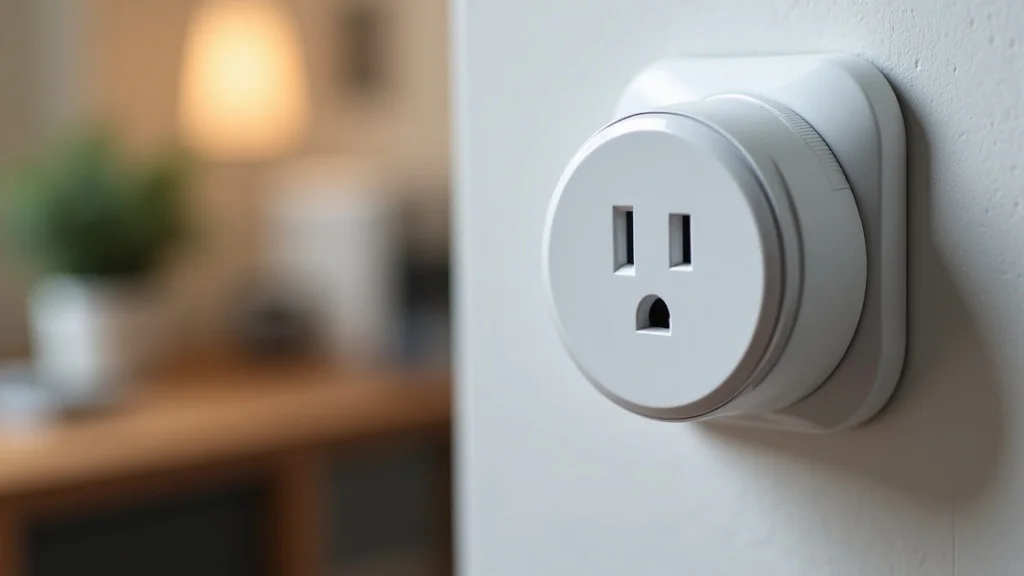
Smart home plugs are devices that plug into your existing electrical outlets. They act as an intermediary, allowing you to control whatever is plugged into them remotely. Think of them as a smart adapter for all your older, non-smart appliances.
They connect to your home’s Wi-Fi network. Once connected, you can use a smartphone app, tablet, or even voice commands through smart assistants to turn the connected device on or off. This connectivity transforms ordinary appliances into smart, controllable gadgets.
This technology is designed to be accessible. You don’t need to replace all your appliances to make your home smarter. By simply plugging a smart plug into a wall socket and then plugging your lamp, fan, or coffee maker into the smart plug, you gain immediate control.
How Smart Home Plugs Work
The magic behind smart home plugs lies in their connectivity and control mechanisms. These devices are essentially small computers that connect to your home’s Wi-Fi.
They communicate with a server or directly with your smartphone app. When you send a command, like turning off a light, the app sends a signal over the internet to the smart plug. The plug then receives this signal and executes the command by interrupting or restoring power to the connected appliance.
This process relies on your Wi-Fi network’s stability and the plug’s firmware. The firmware is the software embedded in the plug that tells it how to operate. Updates to this firmware can sometimes add new features or improve performance, much like updating an app on your phone.
Wi-Fi Connectivity
A stable Wi-Fi connection is the backbone of smart home plug functionality. The plug needs to be within range of your Wi-Fi router to maintain a reliable connection.
The Wi-Fi standard used by most smart home plugs is 2.4 GHz. This frequency offers a good balance of range and penetration through walls, which is important for covering larger homes. Some newer models might also support 5 GHz, but 2.4 GHz is more common.
Ensuring your Wi-Fi signal is strong where you plan to use the plugs is key. If the signal is weak, you might experience delays in control or the plug may become unresponsive. Mesh Wi-Fi systems can be very helpful for ensuring good coverage throughout your home.
App Control
The smartphone app is your primary interface for managing smart home plugs. Manufacturers provide dedicated apps for their products. These apps allow you to:
Turn devices on and off remotely.
Set schedules for devices to turn on or off automatically.
Monitor energy usage for plugged-in appliances.
Group multiple plugs together for simultaneous control.
Some apps also offer away-from-home control, meaning you can manage your devices even when you’re not connected to your home Wi-Fi. This feature is crucial for security and convenience.
Voice Control Integration
Many smart home plugs are designed to work with popular voice assistants like Amazon Alexa, Google Assistant, and Apple’s Siri. This integration allows for hands-free operation.
You can link your smart plug account to your voice assistant account through their respective apps. Once linked, you can issue commands like “Hey Google, turn off the living room lamp” or “Alexa, start the fan.”
This hands-free convenience is one of the most appealing aspects of smart home technology. It makes managing your devices incredibly simple, especially when your hands are full or you’re across the room.
Benefits of Using Smart Home Plugs
The advantages of using smart home plugs extend beyond simple remote control. They offer tangible benefits in terms of convenience, energy savings, and enhanced security.
One of the biggest draws is the ability to automate tasks. You can set your coffee maker to start brewing just before you wake up or ensure all your lights are turned off at a specific time each night. This automation reduces mental load and simplifies daily routines.
Moreover, they can make older appliances smart. If you have a favorite fan or lamp that you love but wish you could control wirelessly, a smart plug is the perfect solution.
Energy Efficiency and Savings
Smart home plugs can significantly contribute to energy savings by helping you monitor and manage power consumption. Many plugs come with built-in energy monitoring features.
This allows you to see exactly how much power an appliance is using. You can then identify energy-guzzling devices and take steps to reduce their usage. For instance, if a smart plug shows a phantom load from a device that’s supposed to be off, you know to unplug it or use the plug’s schedule feature.
Scheduling is another key energy-saving feature. You can program lights to turn off automatically when not needed or to dim during certain hours. This prevents energy waste from devices left on unnecessarily.
Here’s a look at potential energy savings from common appliances:
| Appliance | Average Standby Power (Watts) | Estimated Annual Savings (USD) |
|---|---|---|
| TV | 10-20 | 30-60 |
| Game Console | 15-30 | 45-90 |
| Computer Monitor | 5-15 | 15-45 |
| Microwave | 2-5 | 6-15 |
These figures are estimates and can vary based on usage and electricity costs. However, they illustrate how reducing standby power can lead to noticeable savings over time.
Convenience and Automation
The convenience factor is undeniable. Imagine leaving for vacation and being able to turn off all your non-essential appliances with a single tap on your phone. Or scheduling your porch light to turn on at dusk and off at dawn without having to think about it.
Automation can also be tied to other smart home devices or services. For example, a smart plug could be set to turn on a fan when a smart thermostat detects the room temperature rising above a certain point.
This level of control simplifies many household tasks. It frees up your time and mental energy, allowing you to focus on more important things.
Here are some common automation scenarios:
- Morning Routine: Schedule your coffee maker to start brewing as your alarm goes off. Have your bedroom lamp gently illuminate.
- Evening Wind-Down: Set your living room lights to dim at a specific time. Ensure your entertainment system is powered down overnight.
- Away Mode: Program lights and a radio to turn on and off at random intervals to simulate occupancy while you’re on vacation.
Home Security Enhancement
Smart home plugs can contribute to home security in subtle yet effective ways. By scheduling lights or radios to turn on and off, you can create the impression that someone is home, even when the house is empty.
This deterrence is a valuable tool for preventing burglaries. A well-lit house with occasional activity sounds can be a strong deterrent to potential intruders.
Some advanced smart plugs also offer features like power outage notifications, which can alert you if your home loses power while you’re away. This can be important for protecting perishable goods or sensitive equipment.
A practical example involves a homeowner going on a two-week trip. They used their smart home plugs to schedule their living room lamp and hallway light to turn on in the evening and off at night, and a radio to play softly for an hour each afternoon. This simple setup made the house appear occupied, offering peace of mind.
Types of Smart Home Plugs
Not all smart home plugs are created equal. They come in various forms, each suited for different needs and applications. Understanding these differences will help you choose the best plug for your situation.
The most common type is the single-outlet smart plug. These are compact and designed to plug into a single wall socket. They are ideal for controlling one appliance at a time.
There are also multi-outlet smart plugs, which offer multiple sockets from a single unit. These are great for situations where you have several devices in one area, like a media center or a desk setup.
Single Outlet Smart Plugs
These are the most basic and widely available type of smart plug. They are usually small enough that they don’t block the second outlet on a standard duplex wall plate.
They are perfect for controlling individual appliances like lamps, fans, or holiday decorations. Their simplicity makes them an excellent entry point into smart home technology.
When choosing a single-outlet plug, consider its maximum power rating. Ensure it can handle the power requirements of the device you intend to plug into it.
Multi-Outlet Smart Plugs
For areas with multiple devices, multi-outlet smart plugs are a space-saving solution. These units typically have two, three, or even four individually controllable outlets.
This is incredibly useful for managing power strips or entertainment centers. You can turn off multiple devices with a single command or set individual schedules for each outlet.
For example, at a computer desk, you might have a monitor, speakers, and a lamp. A multi-outlet smart plug allows you to control each of these independently via the app.
Outdoor Smart Plugs
For your garden, patio, or porch, outdoor smart plugs are available. These are built with weather-resistant materials to withstand rain, dust, and extreme temperatures.
They are ideal for controlling outdoor lighting, sprinklers, or holiday decorations. It’s important to ensure the plug is rated for outdoor use and follows safety guidelines.
Using an indoor smart plug outdoors would be a safety hazard and would likely lead to the plug failing quickly due to exposure.
Setting Up Your Smart Home Plugs
Getting your smart home plugs up and running is usually a straightforward process. Most manufacturers design their setup for ease of use, even for those new to smart home tech.
The general process involves downloading an app, connecting the plug to your Wi-Fi, and then configuring it.
You will need your Wi-Fi network name (SSID) and password handy. The plug needs this information to connect to your home network.
Initial Setup and Wi-Fi Connection
When you first plug in a smart plug, it will typically enter a pairing mode. This mode is usually indicated by a blinking LED light.
You then open the manufacturer’s app on your smartphone or tablet. The app will guide you through the process of finding and connecting to the new plug.
You’ll be asked to select your home Wi-Fi network and enter your password. Once connected, the plug will be registered to your account within the app.
Configuring Devices and Schedules
After connecting the plug, you can assign a name to it, such as “Living Room Lamp” or “Bedroom Fan.” This makes it easier to identify and control.
You can then start creating schedules. This involves setting specific times for the plug to turn on or off. For example, you might set your desk lamp to turn on at 8 AM and off at 6 PM on weekdays.
Some plugs also allow for “scene” creation. A scene is a preset configuration of multiple smart devices. For instance, a “Movie Night” scene could dim your living room lights and turn on your smart TV plug.
Troubleshooting Common Issues
Occasionally, you might encounter issues. The most common problem is the plug losing its Wi-Fi connection.
This can happen if your Wi-Fi password changes, your router is moved, or the signal is interrupted. In such cases, you usually need to go through the setup process again to reconnect the plug.
Another issue can be a delay in response time. If commands are slow to execute, it might indicate a weak Wi-Fi signal or network congestion. Moving the plug closer to the router or reducing the number of devices on your network can help.
If a plug becomes completely unresponsive, a factory reset might be necessary. This process usually involves pressing and holding a button on the plug for a certain duration. Consult your plug’s manual for specific instructions.
Smart Home Plugs and Voice Assistants
The integration of smart home plugs with voice assistants like Alexa and Google Assistant significantly enhances their usability. This partnership brings a new level of convenience to managing your home devices.
Voice control makes operating your smart plugs as simple as speaking a command. You no longer need to reach for your phone or app. This is especially useful when you’re busy or when hands-free operation is preferred.
Amazon Alexa Compatibility
Many smart home plugs are designed to work seamlessly with Amazon’s Alexa voice assistant. To use Alexa, you typically need an Amazon Echo device or the Alexa app on your smartphone.
You link your smart plug account to your Alexa account through the Alexa app. Once linked, you can control your devices using voice commands.
For example, you could say, “Alexa, turn on the fan,” or “Alexa, set the coffee maker timer for 7 AM.” Alexa can also report the status of your devices, such as “Alexa, is the living room lamp on?”
Google Assistant Compatibility
Similarly, smart home plugs are widely compatible with Google Assistant. This allows you to use devices like Google Nest speakers or the Google Home app to control your plugs.
The setup process is similar to Alexa. You connect your smart plug account to your Google account within the Google Home app.
Commands would then be like, “Hey Google, turn off the lights,” or “Hey Google, schedule the holiday lights to come on at 6 PM.” Google Assistant can also manage routines that combine multiple actions.
Apple HomeKit and Siri
While not as universally adopted as Alexa or Google Assistant, some smart home plugs also offer compatibility with Apple’s HomeKit framework. This allows integration with Siri voice commands and the Apple Home app.
HomeKit devices undergo a certification process to ensure security and interoperability. If a plug is HomeKit certified, you can add it to your Home app and control it using Siri.
For example, you might say, “Hey Siri, turn on the kitchen lights,” or “Hey Siri, activate the ‘Goodnight’ scene.”
Advanced Features and Considerations
Beyond basic on/off control and scheduling, smart home plugs offer several advanced features that can further enhance your experience. These features often add layers of customization and utility.
One such feature is the ability to create custom scenes and routines. These allow you to group multiple actions together, triggered by a single command or schedule.
Energy Monitoring Capabilities
As mentioned earlier, many smart plugs provide detailed energy monitoring. This feature goes beyond simply turning devices on and off; it empowers you with data.
You can track the real-time power consumption of any plugged-in appliance. Some apps store historical data, allowing you to see trends over days, weeks, or months.
This information is invaluable for identifying “phantom loads”—devices that consume power even when turned off. For example, a smart TV might draw a small but constant amount of energy in standby mode. By using a smart plug, you can schedule it to be completely powered off when not in use, saving energy.
Consider a scenario where you have several devices plugged into a power strip. A multi-outlet smart plug with individual outlet monitoring can tell you which specific device is using the most power, or if one is drawing power when it shouldn’t be.
Away-From-Home Control
The ability to control your devices even when you’re not at home is a significant benefit. This feature is standard on most reputable smart plugs.
It means you can check if you left a light on and turn it off from your office or while on vacation. It also allows you to turn on lights before you arrive home, making your arrival more welcoming and secure.
This remote access relies on your plug being connected to the internet and your smartphone app communicating with the plug’s server.
A survey by Statista in 2023 indicated that 42% of consumers cited remote control as a primary reason for adopting smart home devices.
Compatibility and Ecosystems
When choosing smart home plugs, consider their compatibility with your existing smart home ecosystem. If you already use Alexa, selecting plugs that work with Alexa will streamline your setup.
Some brands are part of larger ecosystems, such as Google Home, Apple HomeKit, or Samsung SmartThings. Choosing plugs within your preferred ecosystem can simplify management and create more integrated automation possibilities.
For instance, if you have a Samsung SmartThings hub, you might look for plugs that are compatible with this system, allowing them to be controlled alongside other Samsung smart devices.
Common Myths Debunked
Smart home technology, including smart home plugs, can sometimes be surrounded by misconceptions. Let’s clear up a few common myths to help you make an informed decision.
Myth 1: Smart Home Plugs Are Difficult to Set Up
Many people believe that setting up smart home technology is complicated and requires a lot of technical knowledge. The reality is that most smart home plugs are designed for easy, DIY installation. The process typically involves downloading a user-friendly app, connecting the plug to your Wi-Fi, and following simple on-screen instructions.
Many users report that setup takes only a few minutes per plug.
Myth 2: They Require a Separate Hub to Work
While some smart home devices do require a central hub to communicate, most modern smart home plugs connect directly to your home’s Wi-Fi network. This means you don’t need to buy any additional hardware. Your existing Wi-Fi router is all you need to get started with most smart plugs.
Myth 3: Smart Home Plugs Are Expensive
The cost of smart home plugs has significantly decreased over the years. While premium models with advanced features can be pricier, many reliable and functional smart plugs are available at affordable price points. You can often find single-outlet plugs for under $20, making them an accessible entry into smart home technology.
Myth 4: They Are Not Secure
Security is a valid concern with any internet-connected device. However, reputable smart home plug manufacturers invest in security measures. They use encryption protocols to protect data transmitted between your app, the cloud, and the plug.
It’s important to choose brands that are known for their commitment to security, use strong, unique passwords for your Wi-Fi network and smart home accounts, and keep your device firmware updated.
Frequently Asked Questions
Question: Can I use a smart plug with any appliance?
Answer: You can use a smart plug with most small to medium-sized appliances that plug into a standard wall outlet. However, it’s crucial to check the smart plug’s maximum wattage or amperage rating and ensure it does not exceed the appliance’s requirements. You should generally avoid using them with high-power devices like large air conditioners, electric heaters, or medical equipment where precise, uninterrupted power is critical.
Question: Do I need a special app to control my smart plug?
Answer: Yes, most smart home plugs require a dedicated smartphone app provided by the manufacturer. This app is used for initial setup, Wi-Fi connection, naming devices, setting schedules, and sometimes for advanced features like energy monitoring.
Question: Can I control my smart plugs when I’m away from home?
Answer: Yes, most smart plugs offer remote access. As long as the plug is connected to your home Wi-Fi and your smartphone has an internet connection, you can control your plugs from anywhere in the world.
Question: How many smart plugs can I connect to my Wi-Fi network?
Answer: Your Wi-Fi router has a limit to how many devices it can support. While most modern routers can handle dozens of devices, the exact number depends on your router’s capabilities and network traffic. For typical home use with a few smart plugs, you are unlikely to encounter issues.
Question: Do smart home plugs save me money on my electricity bill?
Answer: Yes, they can help you save money by enabling you to monitor energy usage, identify wasteful devices, and automate when appliances are turned on or off. By reducing unnecessary power consumption, especially from standby modes, you can lower your overall electricity costs.
Conclusion
Smart home plugs are a fantastic way to add convenience and control to your home. They transform ordinary devices into smart ones, allowing for remote operation, scheduling, and energy monitoring. Setup is typically easy, and integration with voice assistants makes them incredibly user-friendly. Start with a few plugs and experience the difference they make in your daily life.